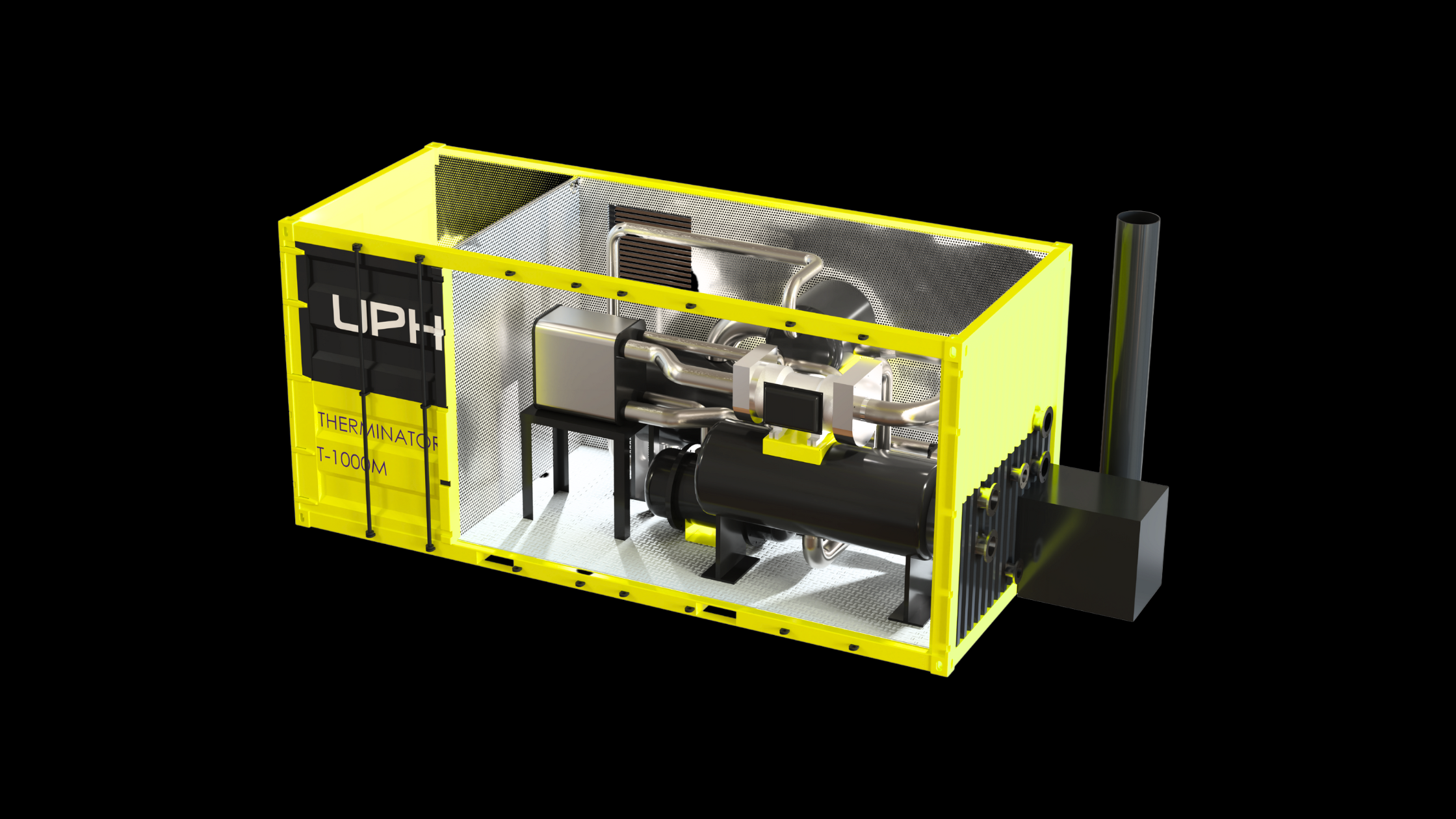
Beyond CapEx: The True Cost of Industrial Heat
When comparing industrial heating systems, decision-makers often fixate on initial capital expenditure (CapEx). However, in an era defined by volatile energy prices and rising carbon costs, it’s the total cost of ownership (TCO) that truly matters. For many industrial operators, the choice between maintaining gas boilers and adopting high-temperature heat pumps is no longer about feasibility – it’s about economics.
High-temperature heat pumps are often viewed as costly or relatively new. However, when considering lifecycle costs – including fuel savings, maintenance, incentives, and carbon pricing – they often prove to be the more economically sustainable choice over a 3 to 5 year period.
Capital Costs vs. Long-Term Savings
It’s true: gas boilers are cheap to buy. An industrial gas-fired boiler delivering 2 MW of thermal energy may cost €100,000 to €150,000 to install. Plus the auxiliaries, another €100,000 maybe. In contrast, an equivalent HTHP system might cost €1,500,000.
But this is only part of the story. Gas prices fluctuate while electricity markets (especially for renewables) are increasingly stable or declining in cost. High-temperature heat pumps also demonstrate higher efficiencies, with coefficients of performance (COP) ranging from 2.5 to 4.5, depending on the application. This means for every Megawatt of electricity, you can generate 2.5–4.5 MW of thermal energy.
Let’s break down a real-world example:
| System | Annual Fuel Cost | Maintenance | CO₂ Costs | 10-Year TCO |
| Gas Boiler (1 MW) | €658,000 | €15,000 | €470,000 | ~€11.44M |
| HTHP (1 MW) | €141,000 | €5,000 | €0 | ~€1.69M |
Over a decade, the high-temperature heat pump saves almost €10,000,000 compared to the gas boiler, even without subsidies. With carbon prices increasing and incentives available in many regions, the business case becomes even more compelling.
Carbon Pricing: The Silent Multiplier
One of the most overlooked operational costs today is CO₂ compliance. Under the EU Emissions Trading System 2 (ETS2), carbon prices have exceeded €80 per ton. A small boiler plant burning natural gas for heat could easily emit 2,000 to 4,000 tons of CO₂ annually, costing up to €250,000 per year just in carbon taxes.
High-temperature heat pumps, powered by renewable electricity or low-carbon grids, effectively eliminate Scope 1 CO₂ emissions. This removes not only current carbon costs but also future liabilities—such as emissions caps, audits, or ESG penalties.
Maintenance and Downtime
Gas boilers require constant maintenance—burner tuning, corrosion prevention, safety checks, emissions testing. High-temperature heat pumps, by contrast, are electromechanical systems with fewer moving parts, modular design, and digital diagnostics. Annual maintenance costs can be 50% lower than those of a comparable boiler.
Incentives and Financing Sweeten the Deal
Across Europe and North America, incentive programs are making the upfront cost of high-temperature heat pumps more manageable:
- Investment grants covering 25-30% of CapEx
- Accelerated depreciation
- Low-interest industrial decarbonization loans
- Carbon contract-for-difference pilot programs
When paired with green financing or power purchase agreements (PPAs), HTHPs can deliver payback in under 3 years, even with a higher sticker price.
Conclusion
Boilers may seem familiar and affordable, but in the long run, they’re expensive, risky, and carbon-heavy. High-temperature heat pumps offer a path to cleaner, more resilient, and more profitable industrial heat. When evaluated through the lens of TCO, not just CapEx, they are a superior investment in virtually every scenario.